
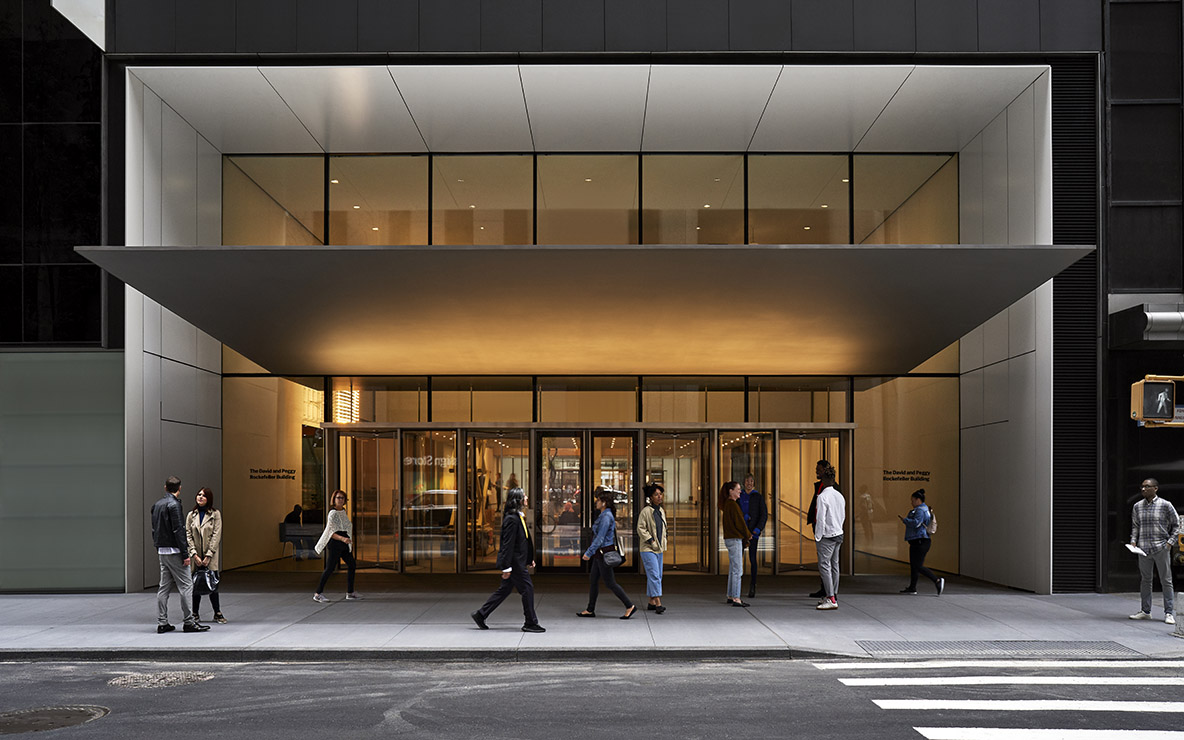
The Museum of Modern Art (MoMA), founded in 1929 in midtown Manhattan, is one of the world’s foremost institutions dedicated to the collection, preservation, and study of modern and contemporary art. Established by three visionary women—Lillie P. Bliss, Mary Quinn Sullivan, and Abby Aldrich Rockefeller—it was the first museum of its kind to be devoted exclusively to the art of the modern era, providing a much-needed home for the avant-garde in the United States.
A Comprehensive View of Modernism
MoMA’s extensive collection offers a panoramic overview of modern and contemporary artistic expression, spanning from the Post-Impressionist era of the 1880s to today’s dynamic global practices. The collection encompasses nearly 200,000 works and is uniquely multi-departmental, including:
- Painting and Sculpture: Featuring iconic masterpieces such as Vincent van Gogh’s The Starry Night, Claude Monet’s Water Lilies, and Pablo Picasso’s pivotal Les Demoiselles d’Avignon.
- Drawings and Prints
- Photography
- Architecture and Design: MoMA was a pioneer in establishing a dedicated department for architecture and design, treating these fields as fine arts.
- Film, Media, and Performance: The museum boasts a collection of approximately 22,000 films and two million film stills.
Mission and Impact
MoMA’s mission is to connect people from around the world to the art of our time. It aspires to be a catalyst for experimentation, learning, and creativity, and a gathering place for artists and their ideas. Beyond its gallery installations, the Museum maintains a vibrant schedule of rotating exhibitions, film screenings, and robust educational programming aimed at both the general public and scholars.
Through its influential exhibitions and expansive collection, MoMA has played a critical role in defining, promoting, and challenging the narrative of modern art worldwide.